Travel gear and packing list
Every gram counts when living out of a single rucksack across European rail networks. Here is an honest, field-tested breakdown of what I packed for my 2023 Interrail journey—the indispensable pieces that kept me moving, and the clutter I soon realised I could leave behind.
What did I pack?

- Important documents/payment methods:
- Passport
- Credit and debit card (packed separately)
- Cash (in each currency)
- Drivers license
- Light-weight clothing
- Socks and underwear
- Toiletries
- Razors and nail clippers
- Pyjamas
- Money-belt
- Waterproof jacket
- Fleece
- Adapter Plug
- Phone and charger
- Earbuds
- Refillable water bottle
- Padlock
- Power Bank
- Book
- Swimming kit (costume and goggles)
- Microfiber travel towel
- Photocopy of my passport
- Laundry bag
- Travel insurance and emergency numbers (written on a piece of paper)
- Travel journal
- Mini first aid kit
- Plasters, paracetamol, etc.,
- Sunglasses and sunhat
- Sarong
- Sandals
- Shower shoes (in my case, flip-flops)

How did I Pack?
Packing Cubes
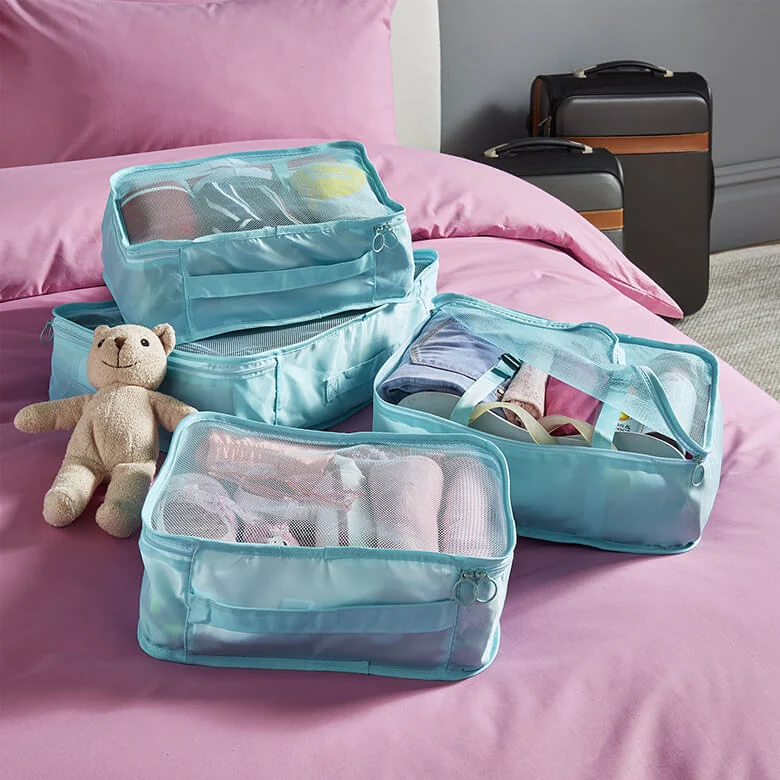
When I packed, I used packing cubes.
What are packing cubes?
Packing cubes are lightweight, zip-up fabric containers designed to organize, compartmentalize, and compress clothing and accessories inside a bag.
Benefits of using packing cubes:
1. They help condense my belongings
2. They keep my bag organised
I packed different types of belongings into separate cubes. This meant that when I arrived at each location, I could quickly find what I needed without unpacking my entire bag.
Keeping the Essentials Within Reach
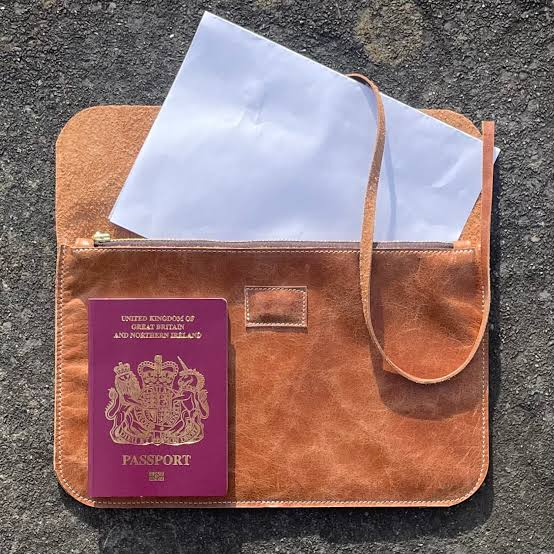
When packing, I made sure the following essentials were always easily accessible:
- Credit and debit cards, passport, cash, and phone
How did I organise this?
To avoid keeping all my eggs in one basket, I split these essentials between two separate places:
- My money belt (credit card and passport)
- The top section of my backpack (purse and phone)
This meant I could easily access my most important belongings while travelling, while still keeping them safely concealed.
Mistakes I made:
Just because it’s summer doesn’t mean you should leave the warm layers at home!
As you’ll read more about later, I ended up developing pneumonia in Prague because I hadn’t packed enough warm clothing. With little travel experience at the time, I didn’t properly consider that the weather could turn cold and rainy. Although I brought a jacket, I didn’t pack any warm trousers, such as jeans. As a result, I found myself walking around Paris and Berlin in shorts in the cold and rain. Oops!
Yes, warm clothes add a little extra weight to your bag, but they’re well worth it if they help prevent you from getting ill. Trust me: you do not want to be sick, alone, and in a foreign country. In some cases, backpackers even have to cut their trips short and go home.
So, pack that jumper!
Invest in a high quality, strong backpack
I borrowed my mum’s old backpack. It was good quality, but it had seen plenty of use. One of the buckles broke on the first day of my trip. Fortunately, it wasn’t a complete disaster, as the backpack was still usable—but it easily could have been. That’s why I recommend investing in a sturdy, reliable backpack before you travel.
Extra things that would have come in useful and why:
A pen-knife
The hostel I stayed in while in Berlin did not have a kitchen. A penknife would have been very useful for making sandwiches, as I could have used it to cut bread and prepare the fillings.
However, I would not have been allowed to take one on the Eurostar. I have included it here because it may be a useful item for travellers who do not face the same restriction.
Travel cutlery and Tupperware
This may seem obvious, but I unfortunately forgot both and had to buy some in Berlin.
Create Your Own Website With Webador